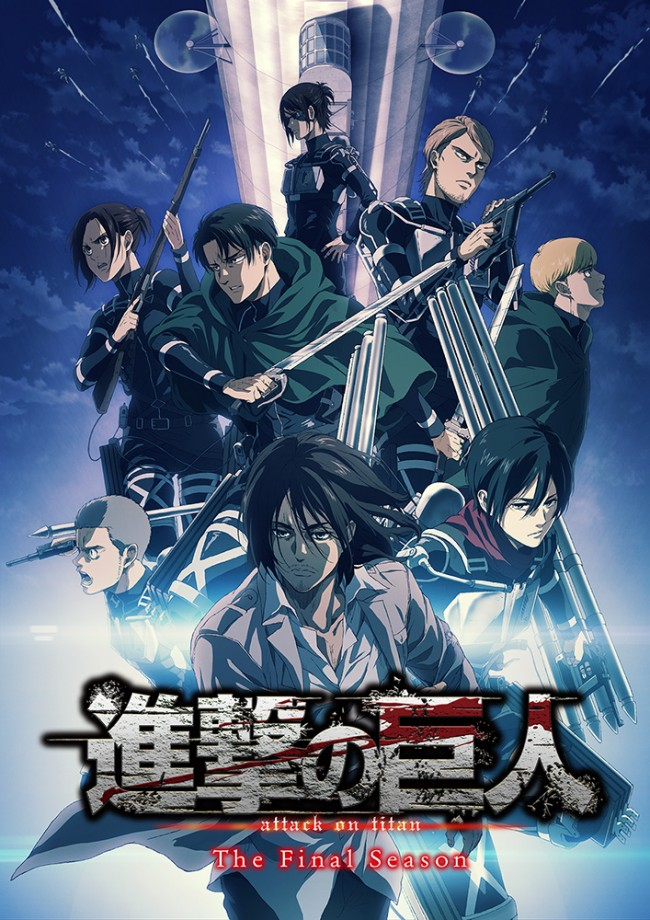
Attack on Titan: Giants Are Not Monsters — The Weapons, History, and Metaphors You Need to Know
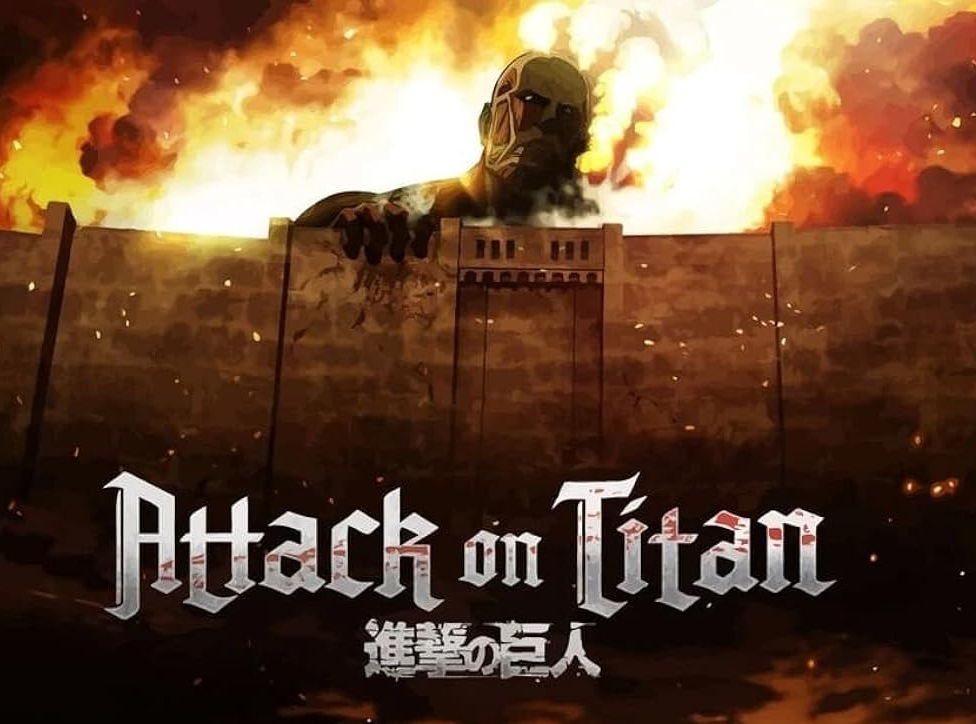
- 1. What is “Attack on Titan"?
- 2. Titans Are Not Monsters — They Are Weapons
- 3. Parallels with History — The Structures of Domination Humanity Keeps Repeating
- 4. An ideaction Perspective — There Is No “Right Side"
- 5. A Masterclass in Leadership and Human Psychology
- 6. Three Things to Know Before You Watch
- 7. Final Thoughts — Set Aside Your Assumptions and Give It Another Chance
- 8. Related Links
- 9. この記事を読んだ方におすすめ
© Hajime Isayama, Kodansha / "Attack on Titan" Production Committee
Have you ever tried to explain Attack on Titan to someone who hasn't seen it?
It's surprisingly hard.
Most people assume it's a kid's show about humans fighting giant monsters — and technically, they're not wrong.
But that description misses everything that makes it extraordinary.
The series holds up a mirror to humanity's darkest history: war, persecution, and the mistakes we keep repeating. Every time I try to convince someone to watch it, I find myself at a loss for words.
I initially assumed it was a monster-action show for boys — a simple story of good versus evil, where giants eat people and humanity wins in the end.
I was completely wrong.
This is an epic chronicle of war and ethnic sorrow — driven by humanity's endless hunger for domination.
The persecution of Jewish people under the Roman Empire. The ethnic cleansing of Nazi Germany. The struggle for supremacy by the British Empire. All of this is woven into a fantasy — with extraordinary skill.
Set aside your assumptions, and you will find an entirely different work. I want to explore it through ideaction's lens of "multi-perspective thinking." (Mild spoilers ahead. You may want to read this again after Episode 40 or so.)
What is "Attack on Titan"?
Attack on Titan is a Japanese manga series written and illustrated by Hajime Isayama. It has sold over 100 million copies worldwide.
The anime adaptation began in 2013 and ran for four seasons with more than 80 episodes. It aired on Japan's national broadcaster and is now available on Netflix and other streaming platforms.
The story is set in a world where humans live inside enormous walls to survive attacks from giants called Titans. It begins as an adventure — a young man named Eren Yeager wants to see the world beyond the walls. But as the story develops, it pulls the characters into a vast web of history and politics.
The early episodes feel like a battle between humans and Titans. But from the middle of the series, the story changes direction completely. It transforms from a simple fantasy into a powerful drama — one that explores ethnic discrimination, war between nations, political corruption, and the distortion of history. The depth rivals any Hollywood film.
Titans Are Not Monsters — They Are Weapons
The first thing to let go of is the idea that Titans are monsters.
The truth revealed in the story is this: Titans are not natural creatures. Humans created them, and they have been passed down through generations as weapons. Only those who inherit a special power can control them.
Between nations, the power of Titans works as a diplomatic tool, a deterrent, and a weapon of mass destruction. This is a clear metaphor for nuclear weapons, intercontinental ballistic missiles, and biological weapons in the modern world. Nations that have this power dominate those that do not. Fear is the tool of control — exactly as in the real world.
Other Key Metaphors in the Story
| Story Element | Real-World Metaphor |
|---|---|
| Life inside enormous walls | National isolation, information control, and propaganda |
| Eldians forced to wear armbands | Nazi Germany's requirement for Jews to wear identifying badges |
| Internment camp (Liberio) | Nazi ghettos — forced residential zones for Jews |
| "Titans carry tainted blood" | Eugenics and racial discrimination ideology |
| The system of inheriting Titan power | Military technology and the management of weapons across nations |
| Eldians quarantined on Paradis Island | The Madagascar Plan — the Nazi proposal to expel Jews to Madagascar |
| The Rumbling (island-wide annihilation) | Mutually Assured Destruction (MAD) strategy |
Parallels with History — The Structures of Domination Humanity Keeps Repeating
What makes this story so compelling is that it depicts a fictional world while mirroring real human history.
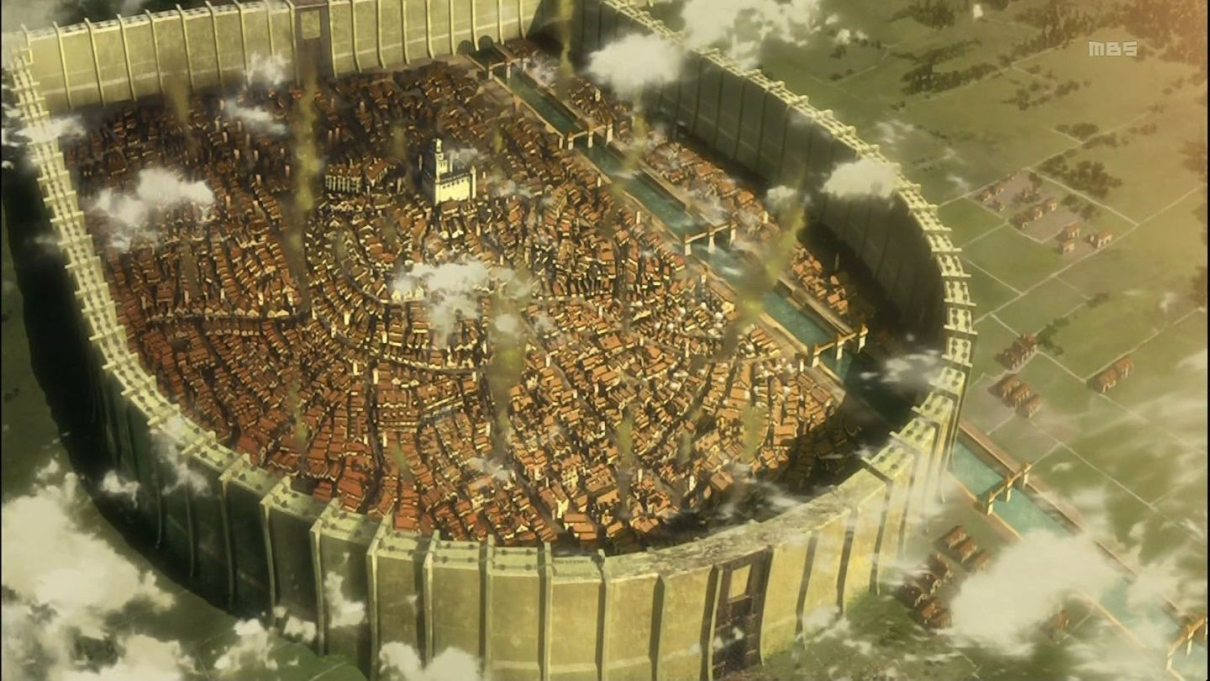
The Jewish People and the Eldians
The Jewish people were scattered across the world as a stateless ethnic group. They endured centuries of discrimination and persecution — forced to wear identifying badges, confined to residential zones, and labeled as people with "inferior blood." The Eldians in the story are a clear metaphor for this history.
Nazi Germany and Marley
Like Nazi Germany, Marley dominated neighboring countries through overwhelming military power. It excluded a specific ethnic group by labeling them as a threat to society. Even the opening theme song is sung in German, and many towns in the series were modeled after Germany.
The Great Game and the Struggle for Supremacy
In the 19th century, Britain and Russia competed for control of Central Asia in what became known as the "Great Game." On the surface, they conducted diplomacy. Behind the scenes, they engaged in espionage, conspiracies, and proxy wars. The political maneuvering between nations in the story follows exactly this structure.
Parallels with Japan's Meiji Restoration
For readers outside Japan, some background may help. In the 19th century, Japan went through a dramatic transformation — shifting from a closed, isolated nation to one that opened its borders to the world. The battles on Paradis Island mirror this conflict between those who wanted to open the island and those who wanted to keep it closed. And just as Japan faced new and devastating challenges after opening its borders, the characters in the story find that opening up leads to an even darker fate.
An ideaction Perspective — There Is No "Right Side"
What sets this series apart from other war epics is that there is no "right side."
The simple structure of "Titans are evil, humans are good" collapses completely as the story progresses. Former victims become perpetrators. Those who once needed protection become the ones who destroy. Hatred breeds more hatred, in a cycle that never ends.
This connects directly to what ideaction calls "multi-perspective thinking."
When we see the world through only one viewpoint, we divide everything into allies and enemies. But when we look from multiple perspectives, we begin to understand: every group has its own history, its own trauma, and its own reasons to fight.
This series forces you to shift your perspective — again and again. That may be one reason it resonates with so many people around the world.
A Masterclass in Leadership and Human Psychology
For business professionals, this series works as an exceptional leadership textbook.
- Erwin Smith — The visionary CEO type. He is willing to sacrifice everything — including himself — for a greater mission. He shows both the power of words to move an organization, and the heavy cost of that vision.
- Levi Ackerman — The field leader type. He combines exceptional skill with calm, precise judgment under pressure. He controls his emotions and trusts his team to act.
- Hange Zoë — The innovator type. She challenges existing assumptions, destroys outdated thinking, and creates new value through curiosity and scientific reasoning.
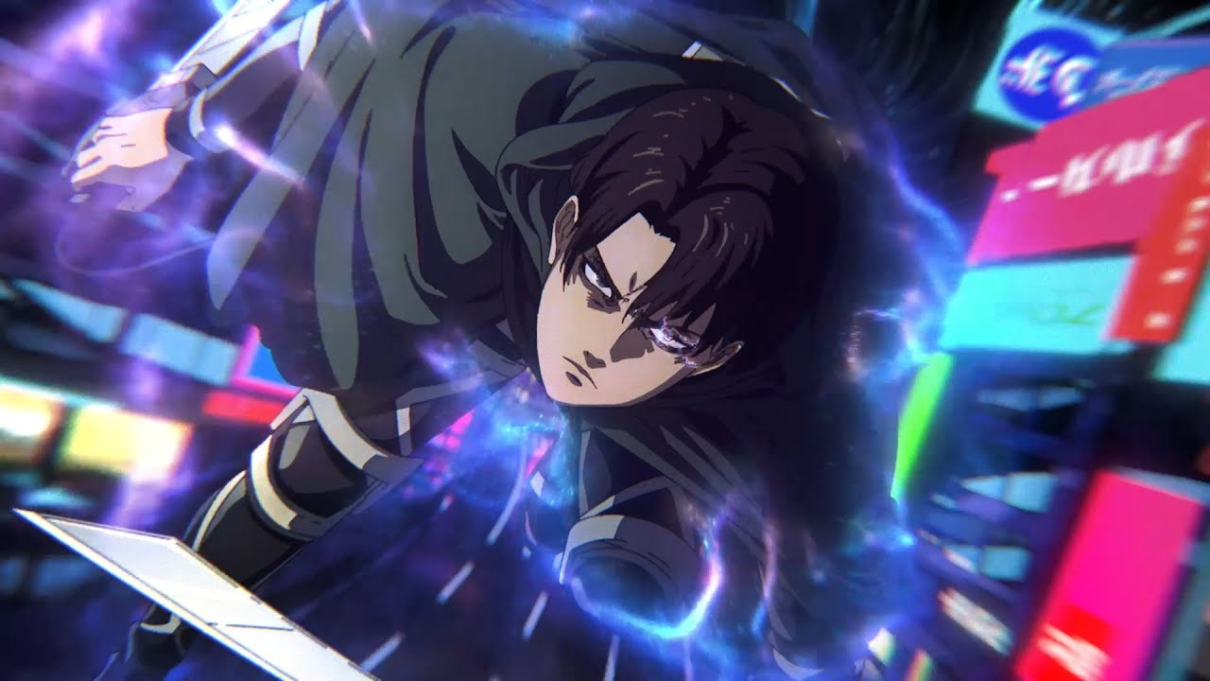
Beyond the characters, the series offers a detailed portrait of human psychology at its darkest — political maneuvering, information manipulation, group psychology, and cycles of hatred. For anyone interested in organizational theory, negotiation, or psychology, there is a great deal to learn here.
Three Things to Know Before You Watch
① There are many characters — keep a guide nearby.
The cast is large, and at some point you will likely find yourself wondering, "Wait, who is that again?" I strongly recommend keeping a character guide on hand before you start. The Attack on Titan Wiki is well organized and easy to use.
② Don't give up on the early episodes.
The first few episodes feel like a monster-action show. But from the middle of the series, the story shifts completely — into something far deeper and more powerful. Don't judge it by your first impression. By the time you reach Season 4, the scale of the world will overwhelm you.
③ It works as a language learning tool.
Major streaming platforms offer multilingual dubbing and subtitles. The dialogue is emotional and dramatic, which makes expressions easier to remember. And because the story is so compelling, it keeps you motivated to continue — over the long term.
For more on how to use films and series for language learning, see my separate article on the topic.
Final Thoughts — Set Aside Your Assumptions and Give It Another Chance
The assumption that this is a monster-action show for boys blinds you to what the series is really about.
Attack on Titan confronts humanity's long history of war and discrimination — head-on, through the form of fantasy. The metaphors run deep: Titans as weapons of mass destruction, Eldians as a persecuted people, and the enormous walls as a symbol of isolation and information control.
I believe the reason this series is loved around the world is this: through a fictional story, it asks us what history humanity has kept repeating — and forces us to look at the answer.
In ideaction terms, it is a series that makes you experience multi-perspective thinking directly. The simple "good vs. evil" frame of the early episodes is challenged again and again as the story progresses. By the end, only one question remains: "What is justice?"
Set aside your assumptions. Watch it to the end.